How to successfully adopt AI by the agricultural sector?
While the CGAAER report “Artificial intelligence in the service of agriculture and agri-food”(1) calls on France to accelerate on agricultural artificial intelligence (AI), the main challenge is no longer to convince players in the sector of its potential. Cooperatives, manufacturers and agricultural organizations already know that agentic AI will profoundly transform their businesses. The real question is elsewhere: how to achieve this transformation? Because AI is neither deployed as new software nor as a classic digital transformation project. It directly modifies the ways of working, transmitting knowledge, making decisions and supporting professionals in the field. And this subject is far from trivial for a sector which remains one of France’s great strategic assets, at the crossroads of the issues of food sovereignty, economic competitiveness and ecological transition. Successfully appropriating AI also means giving agriculture the means to strengthen its resilience, its performance and its attractiveness for decades to come. On condition, however, that we approach this revolution from the right angle and not think of this tool solely as a technological subject.
AI can only be useful if it is designed from a business perspective
If we tend to look for the right tools before having identified the right uses, we must reverse this logic with AI. It is essential to first define the challenges professionals face and the expected gains.
For example, the agricultural sector faces a major challenge in transferring skills: more than a third of farms will retire by 2030(2). At the same time, new farmers and advisors are arriving in a more complex environment than ever before. AI can then become a fantastic support, training and transmission tool.
Furthermore, the value of the consulting profession has long been based on the possession of knowledge. Tomorrow, the challenge will be to quickly mobilize relevant information, analyze a specific situation, and propose solutions adapted to each farm and its pedoclimatic ecosystem. AI will not replace human expertise but it will allow it to be more contextualized, more responsive and more relevant.
Finally, a significant part of professionals’ time remains devoted to administrative tasks: invoicing, administrative procedures, traceability, reporting, etc. By automating part of these activities, AI allows teams to refocus on their core business and the creation of value.
The sector can neither wait nor move forward without method
The issue is therefore no longer whether AI will transform agriculture, but under what conditions.
France has considerable agronomic heritage, data and expertise. Not mobilizing them to design the tools that will guide tomorrow’s professionals would be a strategic as well as an economic renunciation. Because if the intelligent assistants that support agricultural decisions are designed abroad, what data will they use? What visions of agriculture will they carry? What recommendations will they produce? Behind this development lies a major sovereignty issue.
Especially since the competition is already underway. Several countries are investing massively to take a position on these technologies, let’s not let them get too far ahead. We have the liabilities, we have the history. It is urgent to seize the future. Waiting would mean letting others define tomorrow’s standards.
However, accelerating does not mean reproducing the methods of past digital transformations. AI constitutes a technological and methodological breakthrough and traditional approaches are already showing their limits. This is why major players in the AI ecosystem are investing massively in teams dedicated to deployment and integration into organizations.
The challenge is no longer just to make AI accessible or efficient. It is to integrate it in a relevant way in organizations and to make it really useful in the professions.
Moving from experimentation to transformation
The good news is that this transformation is not inaccessible.
The mistake would be to multiply projects with no future or theoretical roadmaps. Conversely, the organizations that succeed will be those that agree to learn by doing, that put the tools in the hands of the teams, experiment on concrete use cases, measure the results, and continually adjust practices.
This method is all the more realistic when the conditions are met. A new generation of farmers is ready to embrace these technologies. Many engineers and digital experts wish to put their skills at the service of the agricultural world. The human potential is there. Deployment methods already exist and have been proven in other industries.
The issue is therefore no longer whether AI will find its place in agriculture. It is already transforming professions. The real challenge now consists of creating the conditions for its large-scale adoption, starting from the field, the uses and the real needs of professionals.
Agriculture will not gain its transformation through the best technological roadmap. It will win by putting AI at the service of those who bring it to life on a daily basis.
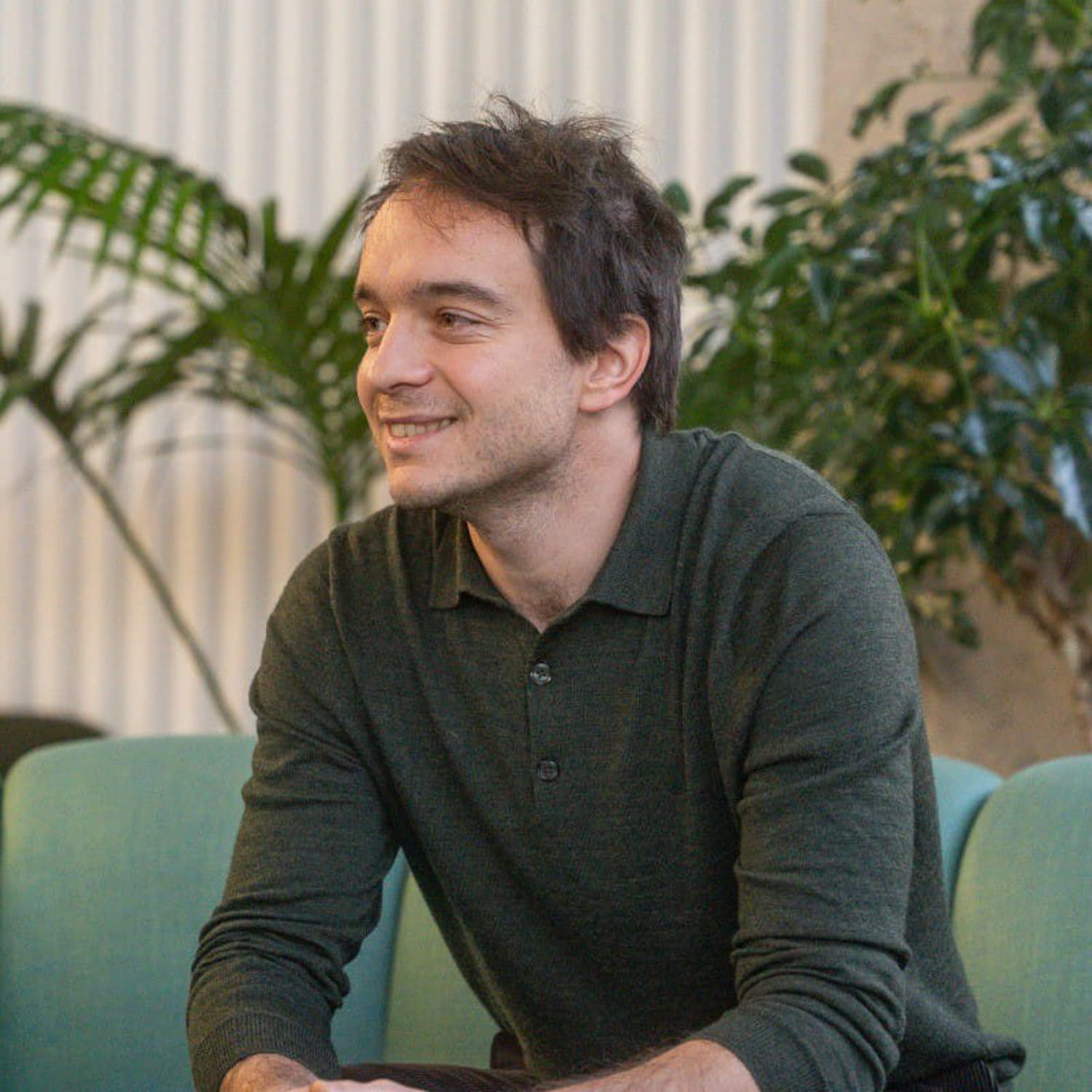
Guillaume Roger, Chief Business Officer of Ekumen
(1) https://agriculture.gouv.fr/lintelligence-artificielle-au-service-de-lagriculture-et-de-lagroalimentaire
(2) https://www.inrae.fr/dossiers/quels-acteurs-quelles-agricultures-demain/renouveler-generations